Description
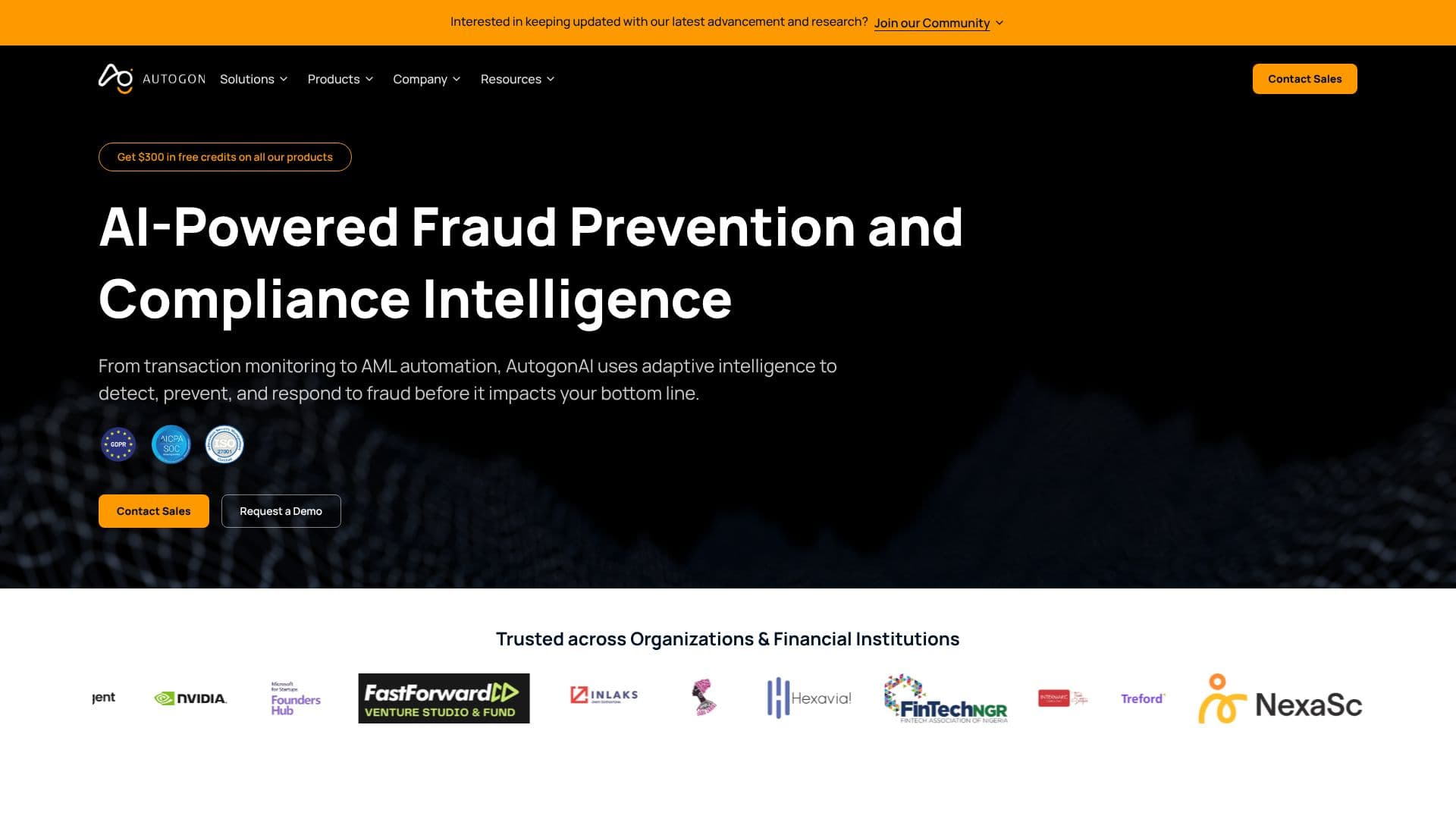
Autogon is a cybersecurity company that sells several products under its Nemesis brand, built around the idea that most security tools are good at detecting an attack but weak at proving what happened. Each product ships evidence with every block rather than a bare alert.
Read More
Nemesis Shield is runtime protection for applications, APIs and LLM features. After a one-line SDK is added (available for Python, Node, Go, Ruby, PHP, Java, .NET, Rust and browser frameworks), it watches real traffic in an observe mode, learns a per-tenant baseline of what normal looks like for that specific app, and then blocks requests that fall outside it once switched to enforce mode, with no redeploy required. It also covers LLM apps specifically, watching for prompt injection and unauthorized tool calls, and extends to network and cloud telemetry so an attack touching an app, its DNS and its cloud infrastructure is correlated into one incident.
Omniguard screens payments and the parties behind them against sanctions and politically-exposed-person data and scores transactions for fraud and money-laundering risk, aimed at banks, fintechs and payment service providers. A related free tool, Watchlist, offers sanctions, PEP and enforcement screening that can be searched directly or integrated.
Nemesis Red is an autonomous penetration-testing product: it attacks a company's own systems the way a real attacker would and, per the company, has to prove every finding on a scoreboard before it counts as valid, rather than reporting a generic vulnerability list. Nemesis Blue is an endpoint and workload defense agent, described as stopping ransomware on a device in under a second; it is free for individuals.
Autogon markets its products by industry, including financial services and fintech, crypto and Web3, insurance, e-commerce and payments, telecom and mobile money, hosting and data centers, and SaaS. Shield has a free tier and a Pro tier at $29 a month; Red has a free tier and a Pro tier at $99 a month; Omniguard is usage-based with a free trial; Blue is free for individuals. The company states its software is written in Rust with signed, hash-verified releases, and that it does not claim to stop every zero-day.
- CategoryAI Cybersecurity Tools
- Pricing ModelFreemium
- DeploymentCloud, On-Premise
- PlatformsWeb
Autogon's Core Features
Nemesis Shield: per-tenant runtime protection for apps, APIs and LLM features, added with a one-line SDK
Behavioral baseline blocking: learns each app's normal traffic and blocks what falls outside it
LLM Guard: detects prompt injection and unauthorized tool calls in AI features
Omniguard: real-time fraud, AML and sanctions/PEP screening for payments
Watchlist: free sanctions and PEP screening, searchable or via API
Nemesis Red: autonomous penetration testing that has to prove each finding on a scoreboard
Nemesis Blue: endpoint agent that stops ransomware on-device, free for individuals
Cross-layer correlation: app, network and cloud signals tied into one incident
Every block ships with captured evidence, not just an alert
How to use Autogon?
Pick a product: choose Shield, Omniguard, Red, Blue or Watchlist based on what you need to protect
Add the SDK (Shield): add one line of SDK code to your app, API or LLM feature
Run in observe mode: let Shield learn your app's normal traffic pattern
Switch to enforce: flip Shield from observe to enforce from the console once you approve the baseline
Screen payments (Omniguard): send transactions and parties for fraud, AML and sanctions scoring
Run a pentest (Red): launch an autonomous test and review the proven findings
Autogon's Use Cases
- App and API protection
- Payment fraud screening
- Penetration testing
- Endpoint ransomware defense