Description
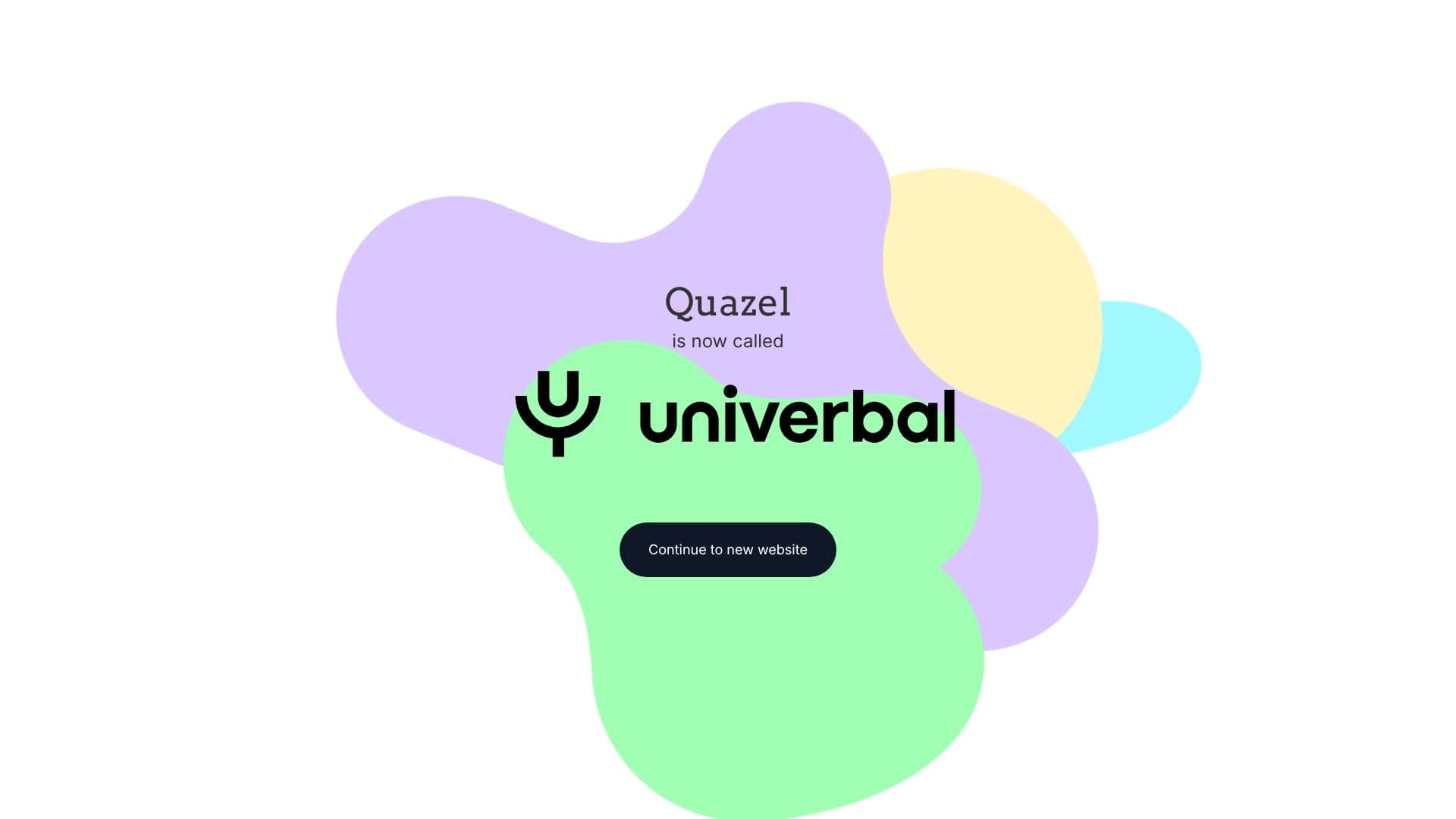
Univerbal, formerly known as Quazel, is an AI language-tutor app built for people who know vocabulary and grammar but freeze when it's time to actually speak. Instead of structured lessons or drills, it lets users hold open-ended conversations on any topic, in more than 20 languages including English, German, Spanish, French, Italian, Chinese, Korean, and Japanese.
Read More
Learners pick a ready-made scenario or write their own conversation prompt, such as a taxi driver, flight attendant, cashier, verb-conjugation quizzer, or even a close friend, then speak naturally or type. The AI holds the conversation and gives instant corrections: a better version of what the learner meant to say, plus a short explanation, exactly when it matters. Mistakes are saved so learners can revisit and drill them later. A guided path also runs learners from CEFR level A1 through C2, starting with predefined answers and simple everyday situations, moving into longer goal-driven dialogues through B1-B2, and toward natural, near-native expression by C1-C2, with hints available throughout.
Onboarding sets a learner's language, level, interests, and goals, and Univerbal builds a personalized study plan from there, tracking what a learner did well, where they hesitated, and what to focus on next as they keep practicing.
Univerbal offers a 7-day free trial followed by monthly, quarterly, or yearly subscription passes, with plans covering 2 or 5 people also available. It runs on iOS, Android, desktop, and the web, and there is a separate Univerbal for Business offering. The app is made by Univerbal GmbH in Zurich, developed with language-learning researchers, and the company reports more than 250,000 downloads and a 4.7 App Store rating.
Univerbal keeps its pitch centered on the gap between recognizing a language and speaking it: users are invited to try it if they understand a lot but can't reply fast in conversation, if other apps helped them start but they still don't speak, or if they want corrections without the pressure of talking to an actual person. Learners can also join a community, called Verby, around the app, alongside standard support channels like an FAQ, blog, and careers page from the Zurich-based team.
- CategoryLanguage Learning Apps
- Pricing ModelUnknown
- DeploymentMobile App
- PlatformsMobile
Univerbal's Core Features
Open-ended AI conversation practice in 20+ languages
Pre-built scenarios plus fully custom conversation prompts
Instant, in-context corrections with a suggested better phrasing
Saved-mistake review for targeted practice
CEFR-aligned progression from A1 beginner scenarios to C2 fluency
Personalized study plan based on level, interests, and goals
Progress tracking across every practice session
Available on iOS, Android, desktop, and web, plus a Business plan
How to use Univerbal?
Set your profile: Choose your language, level, interests, and learning goals.
Get your plan: Receive a personalized study plan from Univerbal.
Pick or write a scenario: Start a ready-made conversation or submit a custom prompt.
Talk or type: Speak naturally, or type if preferred.
Review corrections: Get instant fixes and explanations, and revisit saved mistakes later.
Keep practicing: Use the web, desktop, iOS, or Android app to build a regular habit.
Univerbal's Use Cases
- Conversation fluency practice
- Custom roleplay scenarios
- Structured level progression
- Mistake-focused review